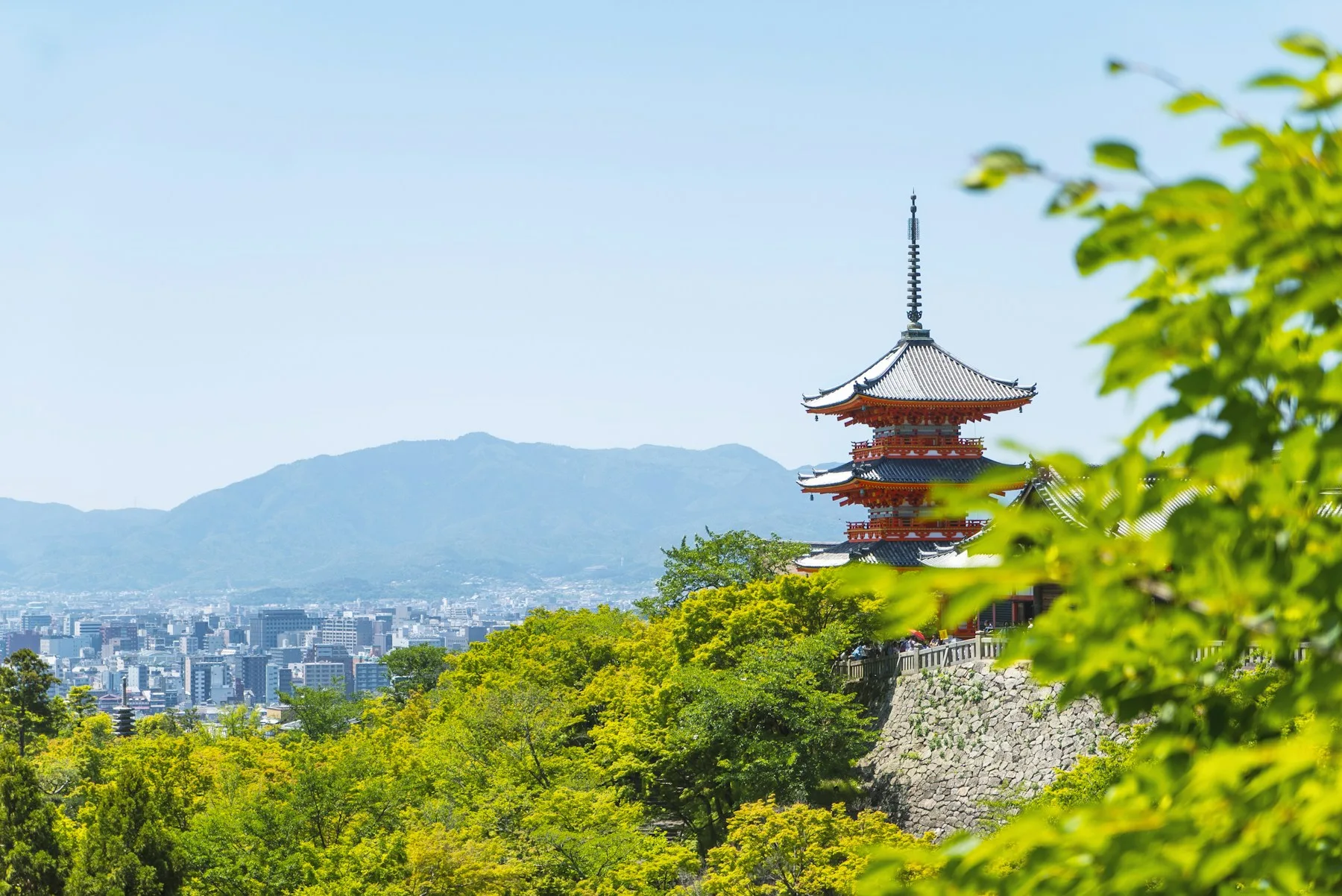
Advice about Kyoto mornings can sound like a contest. Wake earlier, get there first, photograph the empty street before anybody else ruins it. It leaves out a fairly important detail: those streets are part of a working city, and the people who live there have their own mornings.
An early start can make a visit more comfortable. It does not need to become a performance. Pick one area, use the rail and walking routes that fit it, and let the afternoon be slower. The reward is a day with fewer crowded journeys and more attention left for the place you came to see.
Choose a morning, not a collection of pins
Start with one place that matters to you and the surrounding area you can comfortably explore. Higashiyama and Gion form a different day from Arashiyama. Treating both as quick stops can turn most of the morning into transport.
Check the actual opening arrangements of any temple, garden or indoor visit before arriving early. A public approach and an attraction’s paid areas may keep different hours. Build the plan around what is accessible and appropriate, not a social-media photograph that may have been made somewhere visitors cannot freely enter.
Use the train map before the bus queue
Kyoto’s official tourism guidance recommends combining transport modes and provides a route planner that accounts for roads and congestion. Some rail journeys can reduce dependence on a crowded bus even when the destination appears to have a direct bus route.
Put your starting point and intended visit into the current planner. Compare the walk from the rail station with the bus journey, and consider the group’s mobility and the weather. A longer walk is not automatically better. The aim is a route you can manage, with a sensible fallback if the first service is crowded.
Arrive without your suitcase
A bag you can wheel through a station may still be awkward on a busy city bus. Kyoto’s Hands Free service information describes storage and luggage-delivery options, while the city asks visitors to avoid bringing large luggage onto sightseeing buses.
If you arrive before check-in, ask the accommodation what it can accept and when. Compare that with a station-area luggage service rather than carrying the case through your first visit. Confirm collection hours and delivery conditions. A small practical payment can give you more of the day back than another prebooked activity.
Respect the neighborhood behind the image
Kyoto’s current visitor guidance addresses following or photographing geiko and maiko without permission, trespassing and photographing private property. The easy rule for a visitor is to follow local signs, keep residential access clear and accept that some moments are not yours to collect.
You do not need a photograph of a person to remember the street. Notice the materials, the changing light or the way the neighborhood opens toward a shrine. If a lane is marked private or restricted, choose another route. Being early does not change the rules, and a small group can still disturb residents.
A gentler shape for the rest of the day
After the main morning visit, stay in the same general area for a meal and a shorter second stop. Put a proper break in the warmest or most tiring part of the day. You do not have to fill the gap with a paid experience simply because you started early.
For a two-day stay, give the second morning a different part of Kyoto instead of trying to finish the city on day one. This also leaves room to change the order if conditions or opening arrangements make one area less suitable. Use reserved tickets where they solve a genuine constraint, and keep ordinary neighborhood time flexible.
A gentler shape for the rest of the day comparison
Part of the day
A useful shape
Early morning
One chosen area, with access checked first
Late morning
A nearby second stop or a longer first visit
Afternoon
Food, a break and an easy route back
Second day
A different area, rather than more cross-city backtracking
Book a base that supports the rhythm
A station-area hotel can make arrival and onward travel easier. A base closer to a favorite neighborhood may make evening walks more appealing. Compare the route you will actually repeat, including the last stretch to the property with your bags.
Check room size, beds, bath arrangements and cancellation terms against the needs of your party. Then use the Kyoto guide and the booking tools to connect the arrival, stays and experiences. A calmer visit often starts with a smaller plan. Choose a few things well enough that there is time to enjoy them.
Which quote is the better deal? Compare the whole trip.
A lower nightly rate is only one part of the price.
Enter two quotes in USD, for the same dates, rooms and travelers. Use the full stay price. These are your comparison figures, not live rates.
Compare total trip costs in USD
Whole party, whole trip
Flights, including bags
Accommodation total
Taxes and property fees
Airport and local transport
Tickets and activities
Total
Add your quote
Add your quote
Check each quote for missing costs and compare equivalent cancellation terms. A blank cost is counted as zero.
RESEARCH YOU CAN FOLLOW
Before you book, check here.
Primary sources used for the practical details. Routes, terms and availability can change.
Choose what you want to do before buying a bundle. Compare the exact meeting point, language, visit date and cancellation policy with the official operator.
Hermara may earn a commission if you book through these links. Check the provider’s final price, inclusions and cancellation terms.
Activities & experiences
Browse experiences with Klook
Open Klook, choose Kyoto and compare the activities available for your dates. Check age rules and whether admission, transport or a guide is included.
This opens Klook’s main site. Select the destination, date and travelers there; your Hermara search is not transferred.
Ubud and the coast can make a wonderful combination, but a hotel move has a real cost. How to choose a split stay without losing the week to transfers.

What would you add?
What would you most like from a Kyoto morning: a temple visit, a neighborhood walk or simply a quiet breakfast?
Opening the conversation…