
Kyoto etiquette and transit, without the stress
How Kyoto’s buses, trains and walking routes fit together, and the everyday manners that make the city easier for you and its residents.
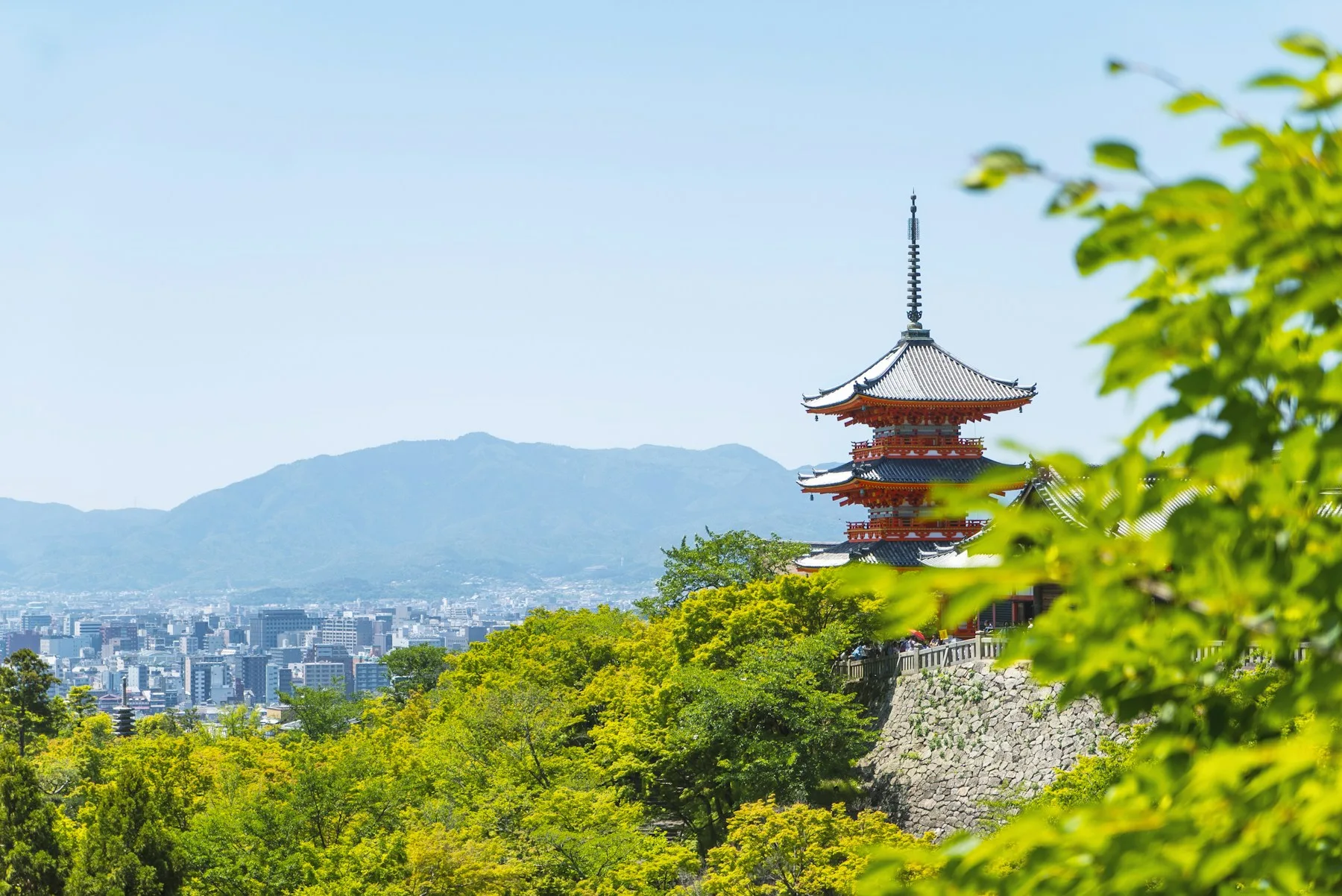 Photo: David Emrich / Unsplash · License
Kyoto is compact on a map but busy at its most famous sites, and its residents live alongside heavy visitor numbers. A little planning around transit and a few habits of courtesy make the visit noticeably calmer.
Build an arrival checklistTrains, subway and buses
City buses reach many temples, but popular routes become very crowded, and boarding with large luggage is difficult and unwelcome. Where a subway or rail line gets you close, it is usually faster and more predictable. Combine a train with a walk rather than waiting for a full bus.
A rechargeable IC card or other accepted contactless payment makes transfers simpler. Check the current options with the official transport and tourism sites before you arrive, as accepted cards and passes change.
Timing the famous sights
The best-known places, such as the Fushimi Inari gates, Kiyomizu-dera and the Arashiyama bamboo grove, are calmer early in the day. Put one of them first thing each morning and spend the busier hours in a less-visited neighborhood, a garden that requires a reservation, or a museum.
Group sights by area: eastern Kyoto’s temples connect on foot, while Arashiyama is a separate half day to the west.
Everyday manners that matter
On trains and buses, keep phone calls off and conversations low, queue where markings show, and offer priority seats to those who need them. Carry your rubbish until you find a bin; public bins are scarce.
In Gion and other residential areas, some lanes are private, and photographing residents or apprentices without consent is unwelcome. Follow posted signs. At temples and shrines, follow local instructions for photography, shoes and where you may walk. Remove shoes where asked and wear socks you are happy to show.
Many shops and restaurants prefer you not eat while walking. Finish food at the stall.
Arrival and luggage
Most international visitors arrive via Kansai or another airport and then take a train to Kyoto Station. Station lockers and luggage services exist, but use them for the day rather than dragging cases through temple districts. Hand-luggage forwarding to your next hotel is common in Japan; ask your accommodation how it works.
A day shape that works
A reliable Kyoto day starts with one well-known sight early, moves to a quieter district or garden around midday, and ends somewhere with food nearby rather than a long cross-city bus ride at dusk. Evening is a good time for a neighborhood walk where you stay.
Useful places to check
Current visitor information, directly from the sources.
Kyoto City Tourism Association: public transport basics and mannersJapan National Tourism Organization: official travel siteU.S. Department of State: international travel checklistKyoto Travel: getting aroundKyoto City: Hands Free KyotoKyoto Travel: visitor guidelinesKyoto Travel: maps and toolsSource review: November 3, 2026A smoother arrival and return
Use the exact airport, hotel or confirmed dock address, with room for everyone and their bags.
Continue with KiwitaxiUse Arrival PlanOther suitable options
Asia-focused stays, experiences and transport where offered.
Continue with KKdayAirport transfers and sightseeing rides in supported cities.
Continue with Welcome PickupsConfirm the actual route and vehicle.
Continue with intui.travelLonger journeys, hourly drivers and transfer requests.
Continue with GetTransfer.comA last day without the bags
Time before check-in, after checkout or after your cruise? First ask whether your hotel or cruise operator can keep your bags.
Find luggage storage with BounceChoose your location and dates on Bounce. Check opening hours, bag limits and the final price before booking.
Affiliate link. Hermara may earn a commission if you book.
Another storage option
Check the location, opening hours, bag limits and collection time. Compare the final total and cancellation terms with your other option before deciding.
Continue on the website to review the location and complete your booking.
Compare with Radical StoragePlan your arrival in Kyoto.
Compare the exact route, vehicle, bags and complete price with the provider. Public transport may be the better fit.
Partner search opens automatically. Add future dates for date-specific availability. Archive edition dates are never used as travel dates.
Restoring your search choice…
Hermara may earn a commission from eligible bookings, at no extra cost to you. Prices and availability are supplied by the partner.